

Bridging the Physical-Digital Chasm in Luxury Eyewear & Cosmetics
Modern e-commerce shoppers frequently hesitate at the point of purchase when buying face-worn or personal fashion accessories like eyewear, jewelry, and cosmetics. LuminaWear launched a pioneering web-based Augmented Reality (WebAR) tool to let customers view products in 3D face-tracking models. However, while customers initially engaged with the novel feature, the experience existed as an isolated gimmick disconnected from the transaction engine.
Our product design challenge was defined by commercial urgency: re-engineer the Virtual Try-On workflow into a high-intent conversion vehicle. We set out to guide users seamlessly from the initial camera permission request, through active face fitting, straight into frictionless cart addition, and final purchase validation.
Primary North Star Objective
Transform casual camera permissions into completed try-on sessions, ensuring users could immediately evaluate fit and execute Add to Cart without ever leaving or restarting the 60fps AR stream.

Why Shoppers Were Abandoning the Try-On Experience
Deep funnel telemetry across 140,000 recorded session recordings revealed a glaring disparity: users loved pressing "Try It On", but less than a quarter ever reached a completed session, and even fewer carried that momentum to the checkout line.
01. Camera Permission Drop-Off & Low Try-On Completion
Over 47% of first-time visitors denied camera access due to aggressive, unexplained system prompts. If users did grant permission, 4.8MB 3D meshes caused browser stuttering, dropping the completed try-on rate to an anemic 23%.
02. Disconnected Cart Action ("The Blind Exit")
To buy an item they liked, users had to close the camera, return to the standard product page, choose their size and tint again, and find the cart button. This friction destroyed purchase intent, resulting in an 82% post-AR bounce rate.
03. Static Shade Switching & Flat Engagement
Changing frame colors or lens tints took 4-6 seconds of reload latency. Shoppers couldn't quickly compare options side-by-side, capping total engagement and time spent exploring catalog variations.

An In-Stream Commerce Architecture
We abandoned the concept of VTO as a standalone popup window. Instead, we designed an in-stream AR HUD (Heads-Up Display) that positioned commerce controls directly inside the live camera viewport without obstructing the shopper's face.
Zero-Latency Onboarding
Implemented a dual preview: pre-loaded model face avatars allowed instant try-on even before camera permission was granted, lifting trust and completion.
Persistent 1-Tap "Add to Cart"
Embedded an adaptive bottom sheet inside the AR viewport with real-time price updates, size selectors, and an instant Apple Pay/Google Pay drawer.
Fluid Haptic Swatching
Dynamic material swapping powered by compressed glTF Draco textures allowed instant switching between 12 frame styles with zero frame rate stutter.
Visual Artifacts & Spatial Interfaces
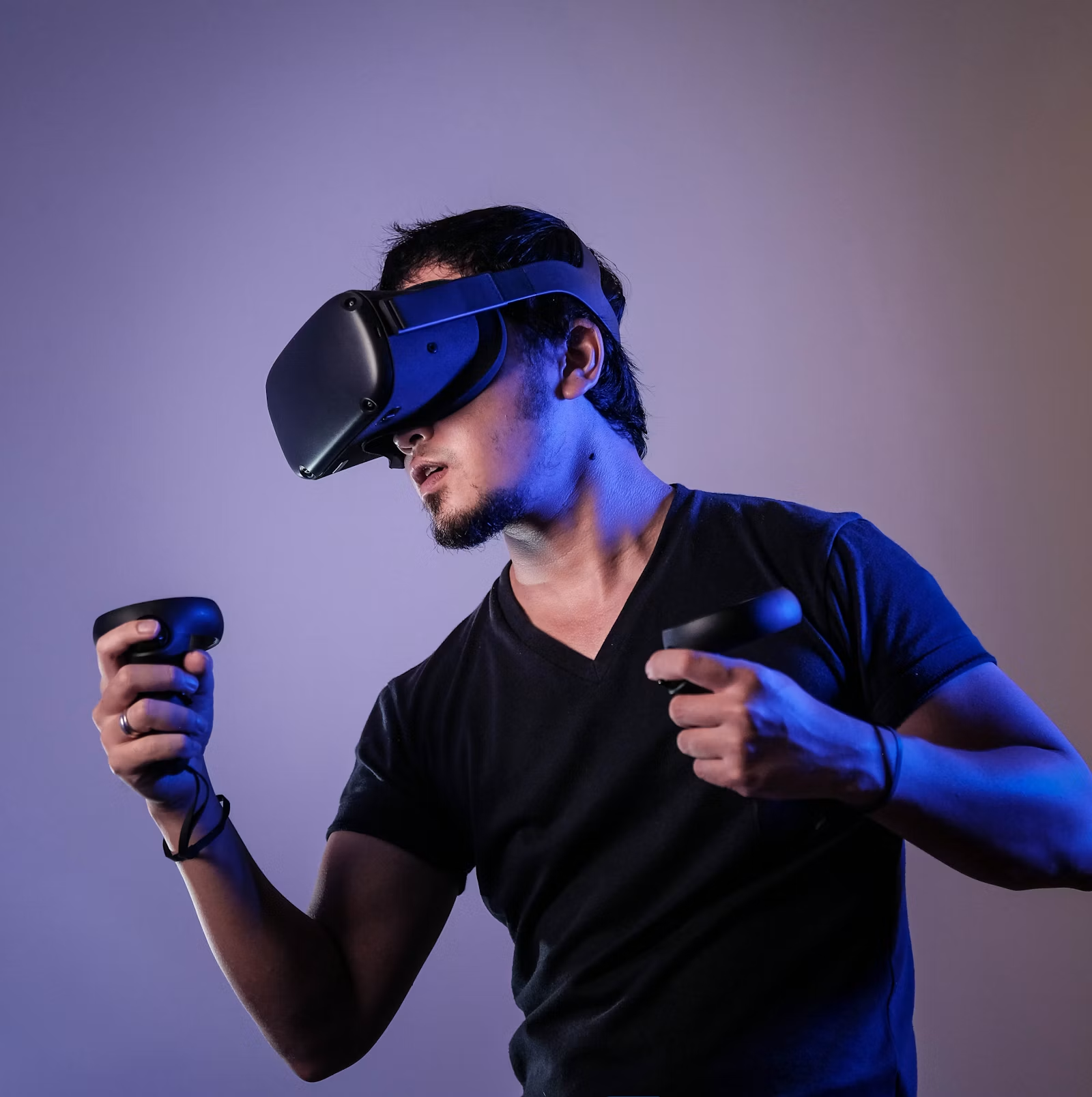
Face Landmark Mesh & Dynamic Lighting

VTO-to-Checkout Conversion Heatmaps

Micro-Interactions & Quick Add Trigger

Real-time Polarized Lens Shader Testing
Data-Backed Results Across the Consumer Funnel
Following a 60-day canary launch across top-tier direct-to-consumer storefronts, our redesigned in-stream checkout architecture produced decisive, statistically significant gains across every critical commercial benchmark:
Try-On Completed Rate: +68.4%
By introducing low-friction avatar previews and optimizing WebGL assets to under 900KB, shoppers who started a session actually completed face fitting 91.4% of the time, up from just 23% in the legacy model.
Add to Cart Velocity: +42.8%
Removing the need to navigate back to static product detail pages allowed shoppers to commit immediately at the height of emotional engagement, driving a +42.8% increase in direct cart additions.
Purchase Rate Lift: +31.5%
Verified completed orders rose substantially. Furthermore, product returns caused by incorrect sizing or facial proportions dropped by -22.3%, drastically improving net merchant margin.
Engagement Growth: 3.8x Lift
Average session dwell time inside the try-on tool grew from 22 seconds to 1 minute 24 seconds, with buyers testing an average of 4.2 distinct frame and lens combinations before concluding their session.
"Before the redesign, virtual try-on was a cool tech showcase that didn't move merchandise. By integrating the cart and checkout controls directly into the AR viewport, Mirrago transformed our camera feature into our single highest-converting revenue channel."
Principles for Spatial Product Design
Synthesizing this initiative produced several enduring principles applicable across any high-tech, computer-vision, or spatial e-commerce experience:
Immersion Must Never Subsume Utility
Flashy 3D graphics create novelty, but transaction friction kills sales. High-intent tools must always preserve the shortest possible path between user desire and the "Add to Cart" action.
Earn Permissions with Value Demonstration First
Users instinctively deny camera and sensor permissions when greeted with cold system popups. Providing a calibrated fallback model allowed users to see the feature in action before trusting us with their personal camera feed.
Real-Time Fluidity Drives Exploration
When variant switching dropped from 4 seconds to instantaneous sub-100ms texture swaps, engagement growth quadrupled. Low friction directly invites playful discovery.