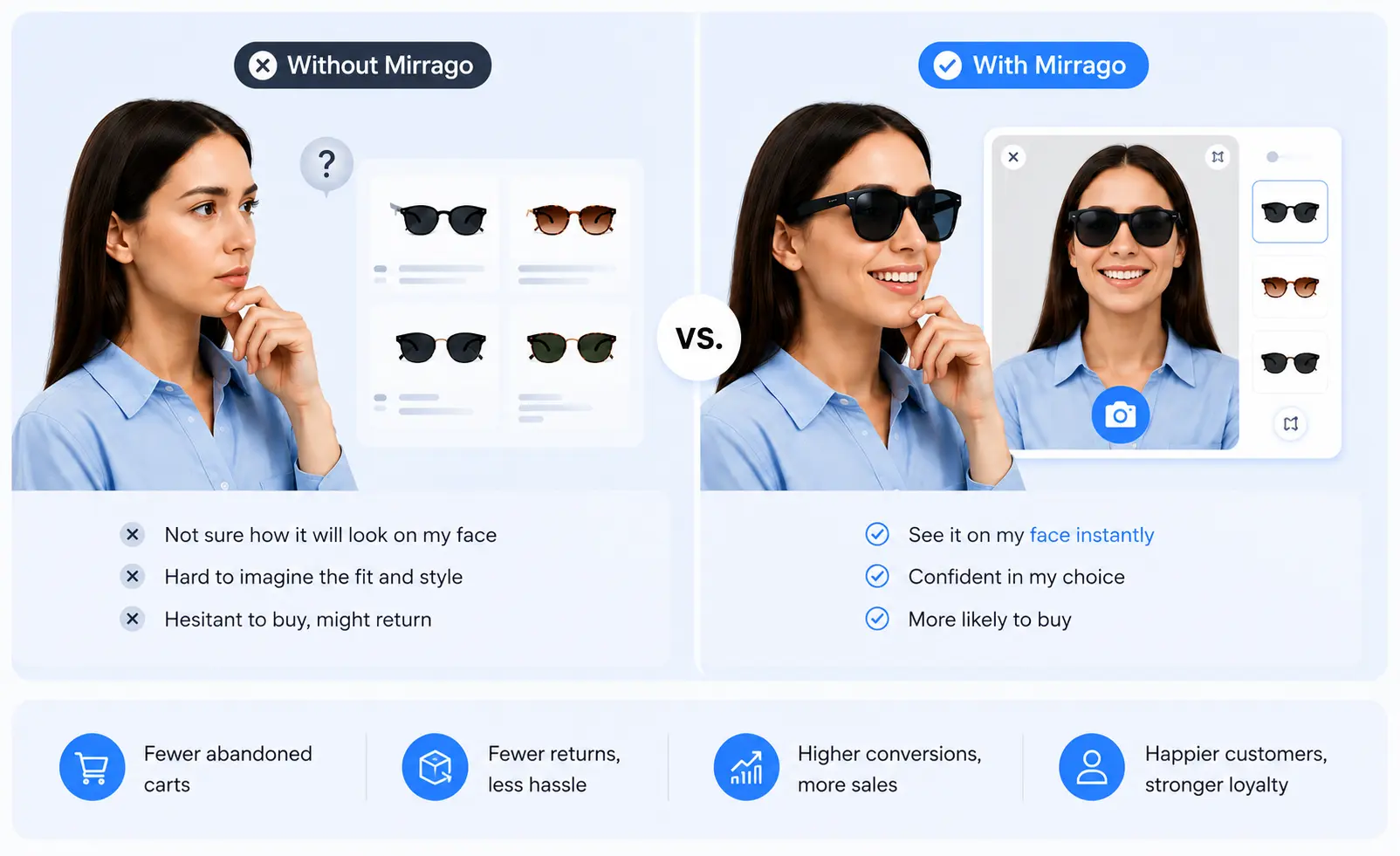
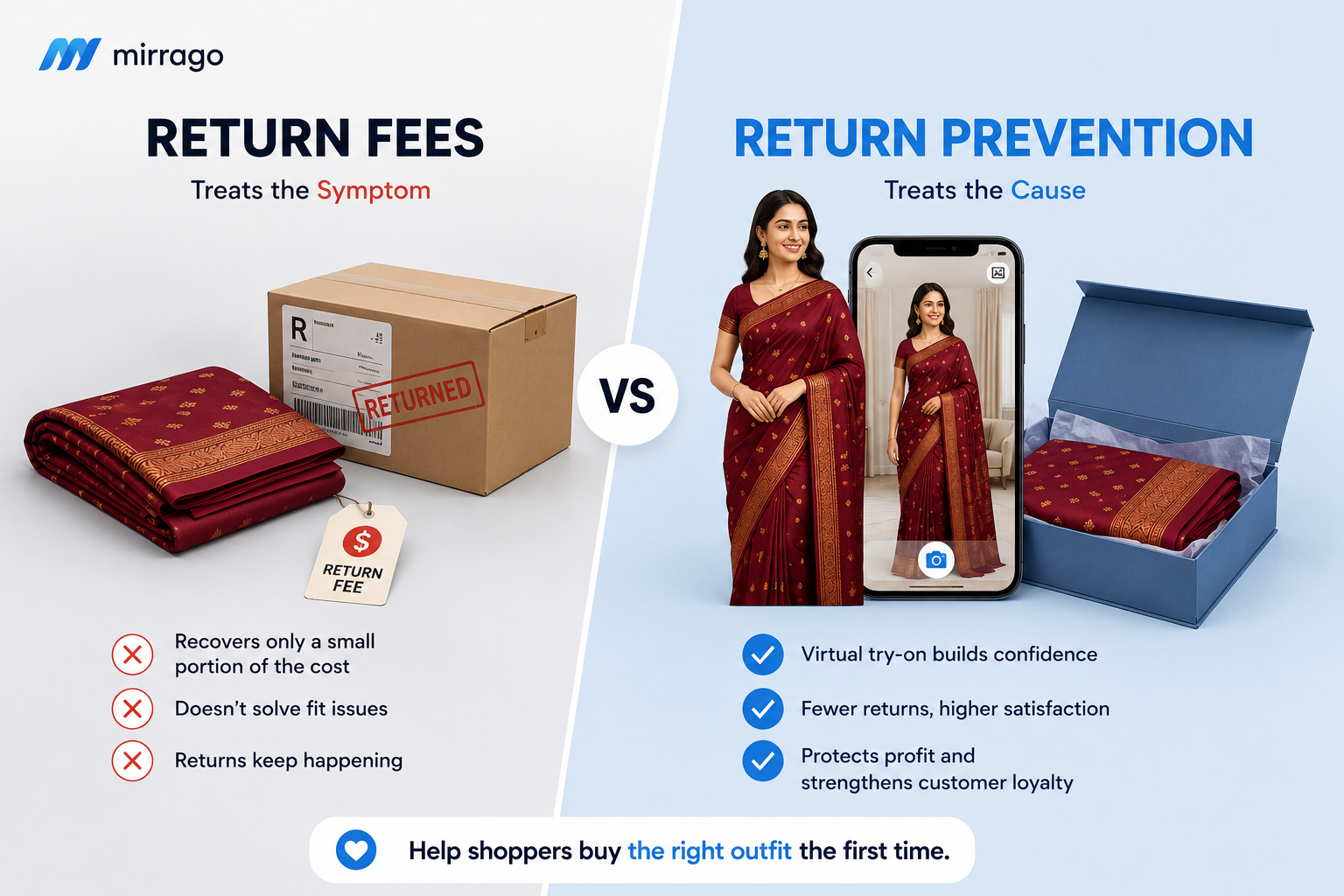
The fashion industry is undergoing a seismic shift. As we approach 2026, virtual try-on technology isn't just a novelty—it's becoming the standard for how we shop online.
Imagine trying on a dress from Paris or a suit from Milan without leaving your living room. Not just overlaying a 2D image, but seeing how the fabric drapes, how it moves with you, and exactly how it fits your unique body shape. This is the promise of next-generation VTO (Virtual Try-On) solutions.
Why 2026 is the Tipping Point
Several factors are converging to make 2026 the year of widespread adoption. First, mobile processing power has reached a level where real-time AR rendering is smooth and photorealistic. Second, AI algorithms for body mapping have become incredibly precise, reducing the error margin to millimeters.
VTO isn't just about reducing returns; it's about giving customers the confidence to express themselves through fashion without the anxiety of 'will it fit?
The Impact on Sustainability
One of the most overlooked benefits of this technology is its environmental impact. By helping customers make better sizing decisions, brands can significantly reduce the carbon footprint associated with shipping and processing returns. In 2024 alone, returns accounted for billions of pounds of textile waste.
By implementing Mirrago's solution, brands have seen a 40% reduction in sizing-related returns, contributing directly to a more circular and responsible fashion ecosystem.
Integrating Mirrago
At Mirrago, we're building the infrastructure for this new reality. Our SDK allows any retailer to integrate cinema-quality virtual try-on directly into their app or website with just a few lines of code. We believe that technology should be invisible—enhancing the shopping experience without getting in the way.