Online fashion shopping has never been more convenient, but it still comes with one major problem: uncertainty. No matter how good a product looks on the screen, you can never be completely sure how it will match, look, or feel until it arrives at your doorstep.
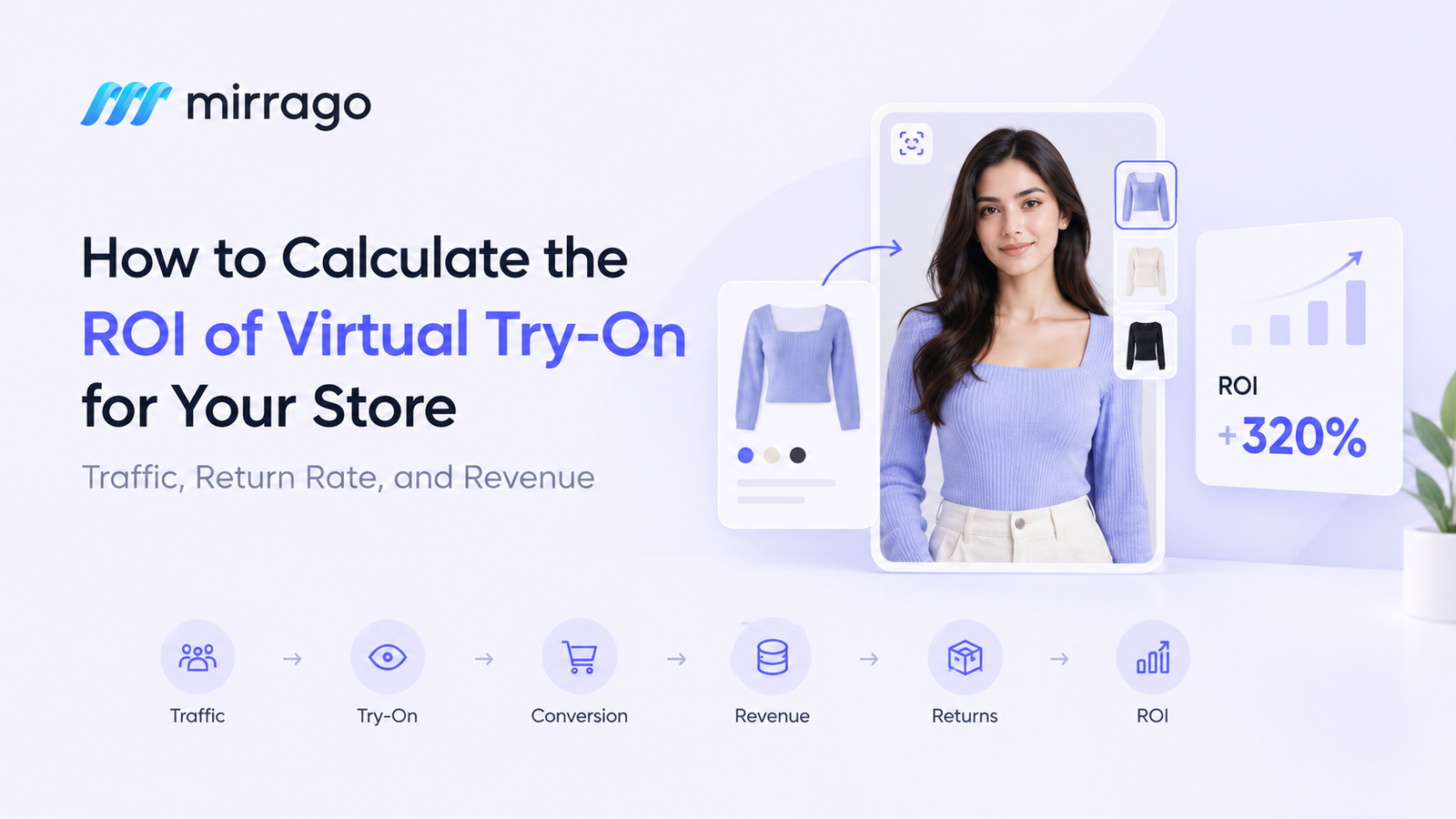
That uncertainty leads to hesitation, abandoned carts, and millions of clothing returns every year. In fact, fashion e-commerce return rates remain between 25% and 40%, largely because shoppers have to rely on product photos, size charts, and guesswork instead of seeing how an outfit will actually look on them.
Fortunately, AI is changing the way people shop for fashion. Today's AI fashion tools use technologies like virtual try-ons, smart style recommendations, and personalized styling to help shoppers make confident buying decisions. Mirrago can be your best AI fashion advice tool for your day and increase your shopping confidence. In this guide, we'll explore the best AI fashion tools in 2026 and how they're transforming the online shopping experience.
Why AI Is Transforming Fashion in 2026
Fashion has evolved fast:
Physical stores: try before buying
Online shopping: convenience but no visualisation
AI-powered fashion: visual, personalised, and accurate
Today’s AI tools allow you to:
Try on outfits digitally
Get styling recommendations based on your body & taste
Reduce returns and wasted purchases
Key impact:
Up to 40% fewer returns
Higher purchase confidence
Faster decision-making
What Makes a Great AI Fashion Tool?
Not all AI tools are equal. The best ones focus on:
Accuracy: realistic looks and proportions
Personalisation: tailored to your body and style
Speed: results in seconds
Ease of use: no learning curve
Shopping integration: try to buy instantly
Want to get early access? Join Our Wait List, Or You can download our application on Playstore and apple Store
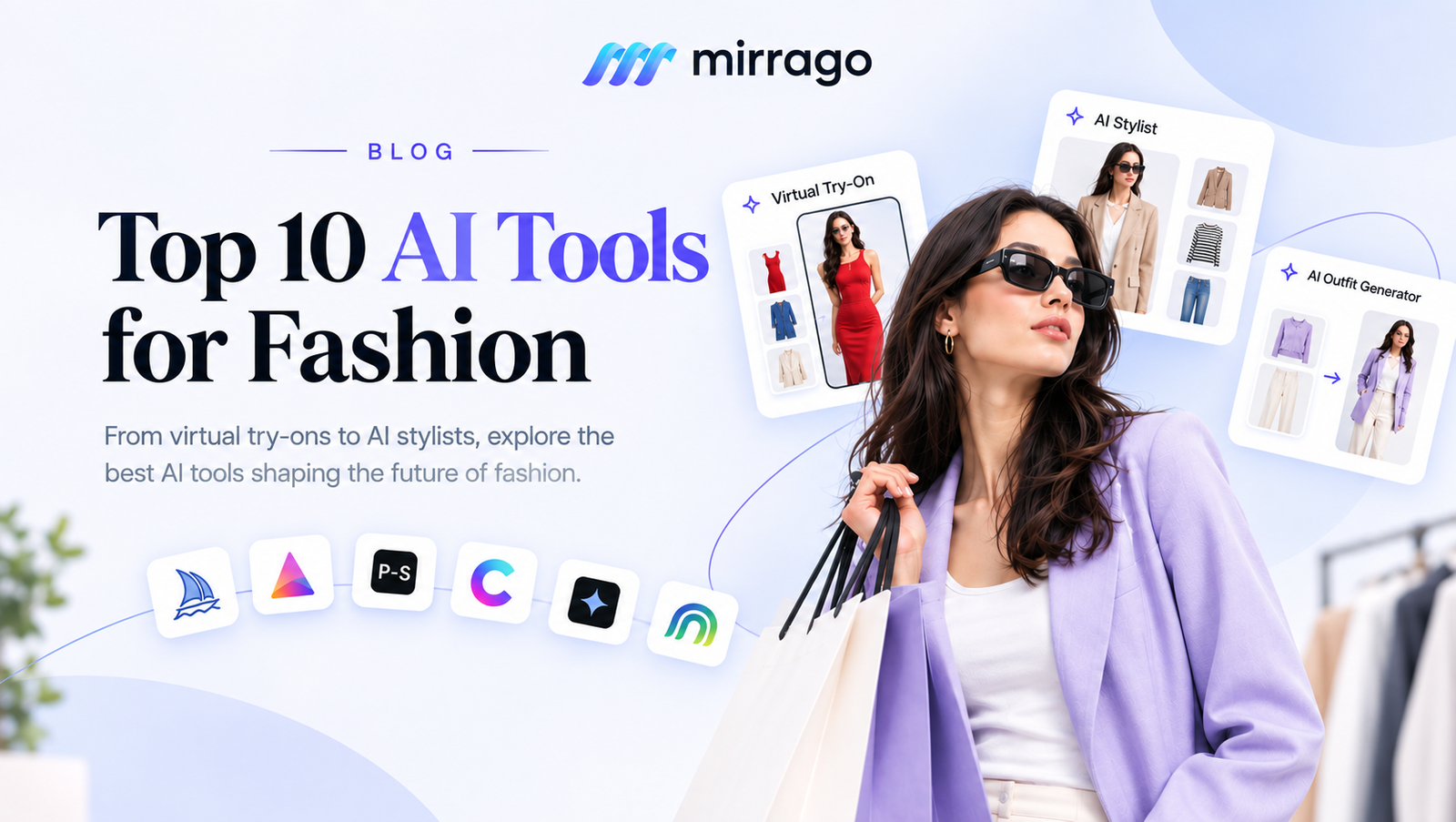
Top 10 AI Tools in 2026: Try Clothes Virtually & Shop Smarter
1. Mirrago: Best AI Virtual Try-On for Online Shoppers
Best for: Personalized virtual try-on, outfit discovery, and confident online shopping
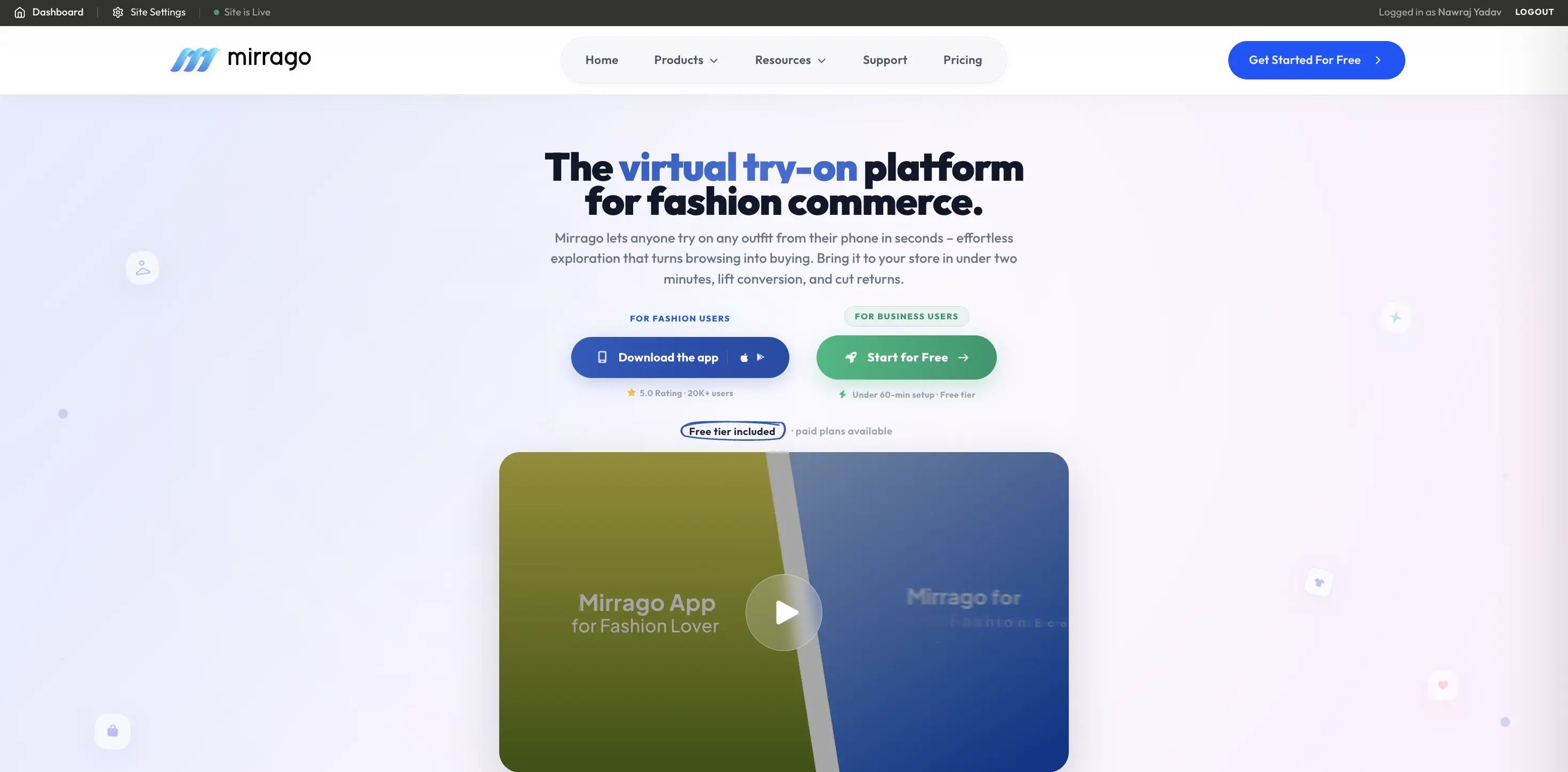
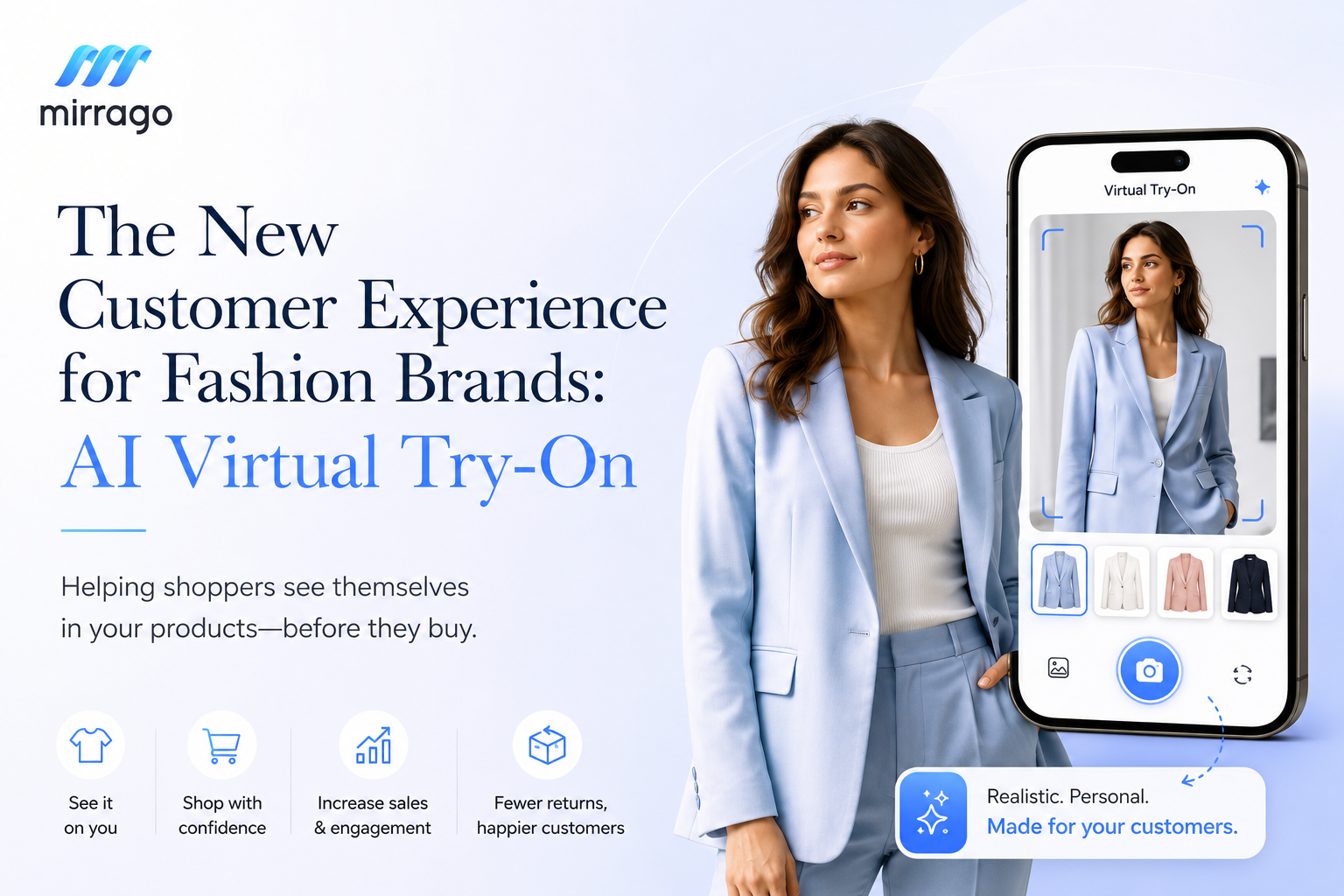
Mirrago is an AI virtual try-on fashion platform designed to make online shopping more visual and personalized. Instead of relying only on product photos or imagining how an outfit might look, shoppers can use their own photo to visualize clothing on themselves.
The platform brings virtual try-on, fashion discovery, and shopping closer together in one experience. This makes it particularly useful for people who want to explore different styles before deciding what to buy.
Key Features
AI-powered virtual try-on
Visualize clothing on your own photo
Personalized outfit visualization
Fashion discovery and recommendations
Shopping-focused fashion experience
WooCommerce integration for fashion brands
Why It Stands Out
Mirrago Virtual try-on's biggest advantage is its focus on the shopper's perspective.
Many fashion AI tools are primarily designed to help brands generate product images or marketing content. Mirrago focuses more directly on the question shoppers care about: “How will this look on me?”
That makes virtual try-on more personal than simply viewing an outfit on a generic AI model.
Pros
Personalized try-on experience
Designed around real shopping decisions
Combines try-on and fashion discovery
Useful for both shoppers and e-commerce businesses
Limitations
Requires a suitable user photo for personalized visualization
Product and brand coverage can vary as the platform grows
Best for: Everyday shoppers, fashion brands, and e-commerce businesses
2. Reactive Reality (PICTOFiT): Best for Digital Fashion Avatars
Best for: Retailers and fashion brands building virtual fitting and digital fashion experiences
Reactive Reality’s PICTOFiT is a virtual fashion platform that uses digital avatars, 2D/3D garments, and virtual styling to create interactive shopping experiences. It is designed more for brands and retailers than individual shoppers.
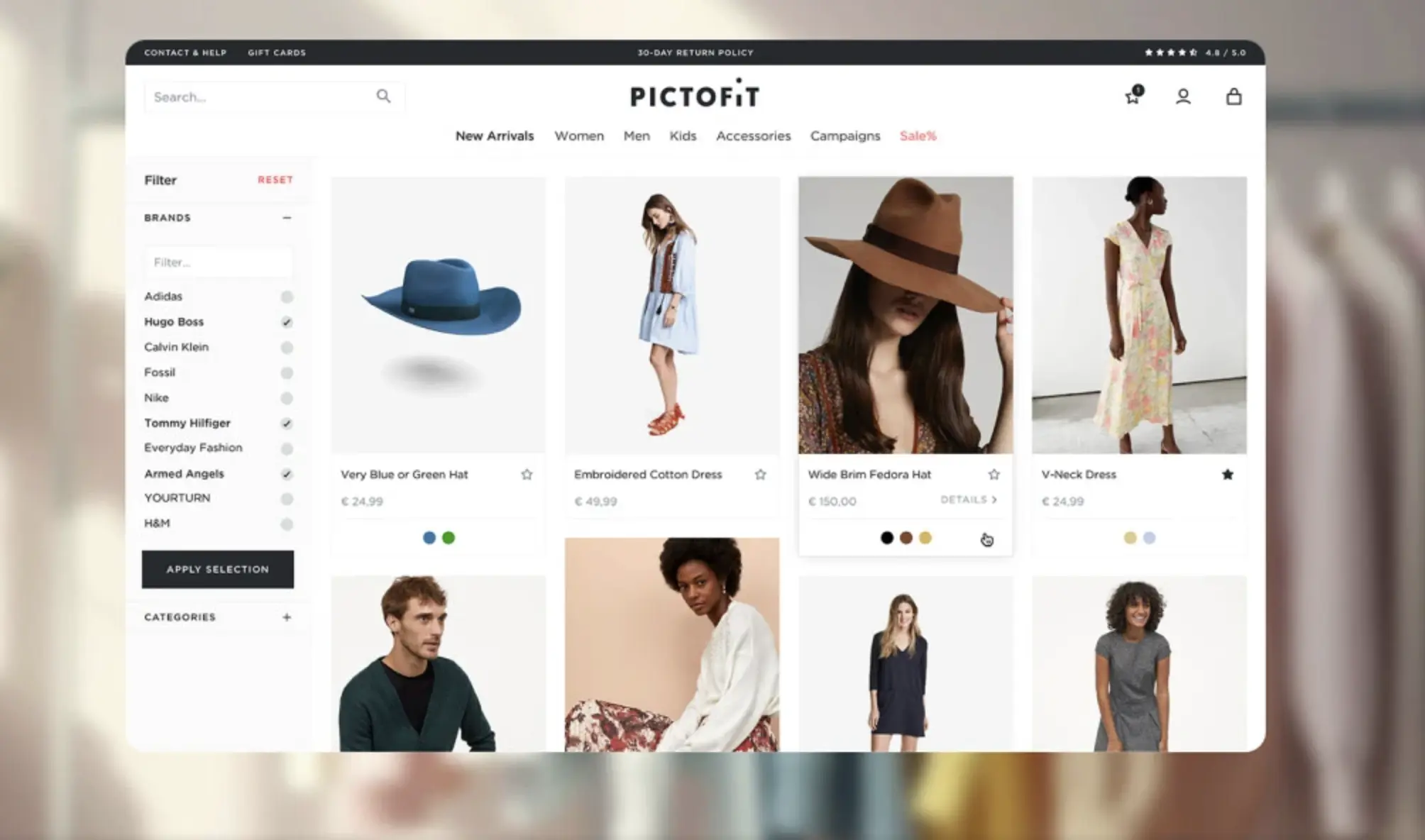
Key Features
Digital fashion avatars
Virtual try-on and styling
2D and 3D garment visualization
Size and fit visualization
Web-based integration tools
Why It Stands Out
PICTOFiT goes beyond simple AI-generated fashion images. It combines digital avatars, garments, and virtual fitting to help retailers build more immersive online shopping experiences.
Pros
Strong digital fashion capabilities
Supports 2D and 3D experiences
Built for retail integration
Limitations
More suited to businesses than casual users
May require technical implementation
Best for: Fashion retailers, enterprise brands, and e-commerce teams
3. WearView: Best for AI Fashion Model Photography
Best for: Fashion brands creating professional product visuals without traditional photoshoots
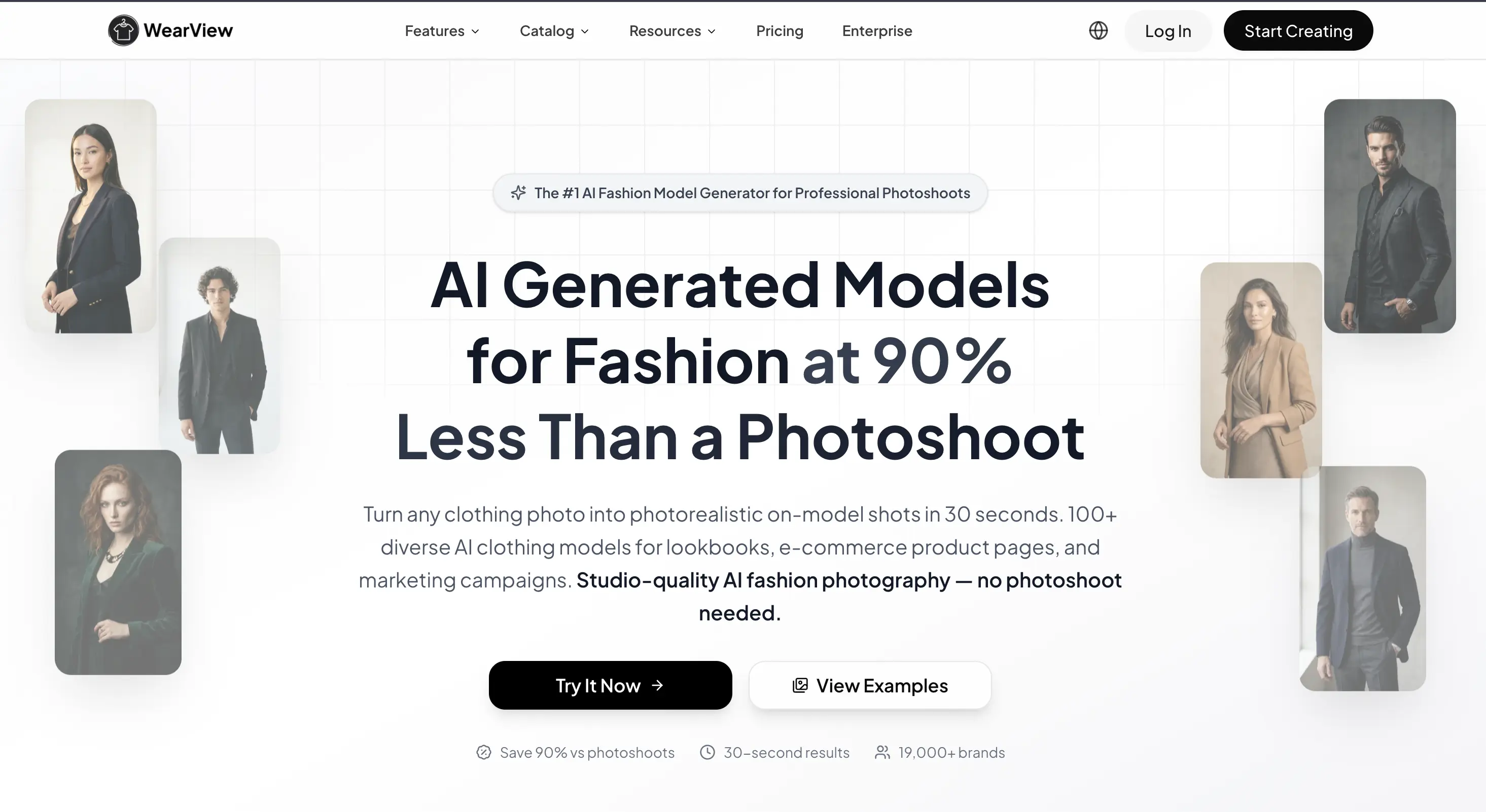
WearView turns clothing product images into on-model fashion visuals using AI-generated models. Brands can create images for product pages, lookbooks, social media, and campaigns.
Key Features
AI fashion models
Product-to-model images
Multiple models, poses, and styles
E-commerce and campaign visuals
Why It Stands Out
WearView makes fashion photography more scalable and accessible. Brands can create multiple model visuals from existing product images without organizing a new photoshoot for every collection.
Pros
Faster than traditional photoshoots
Multiple visual variations
Useful for e-commerce and marketing
Limitation
AI visuals may still need quality checking
Best for: Fashion brands, e-commerce sellers, and marketing teams
4. NewArc AI: Best for Fashion Design Visualization
Best for: Designers turning sketches and ideas into realistic fashion visuals
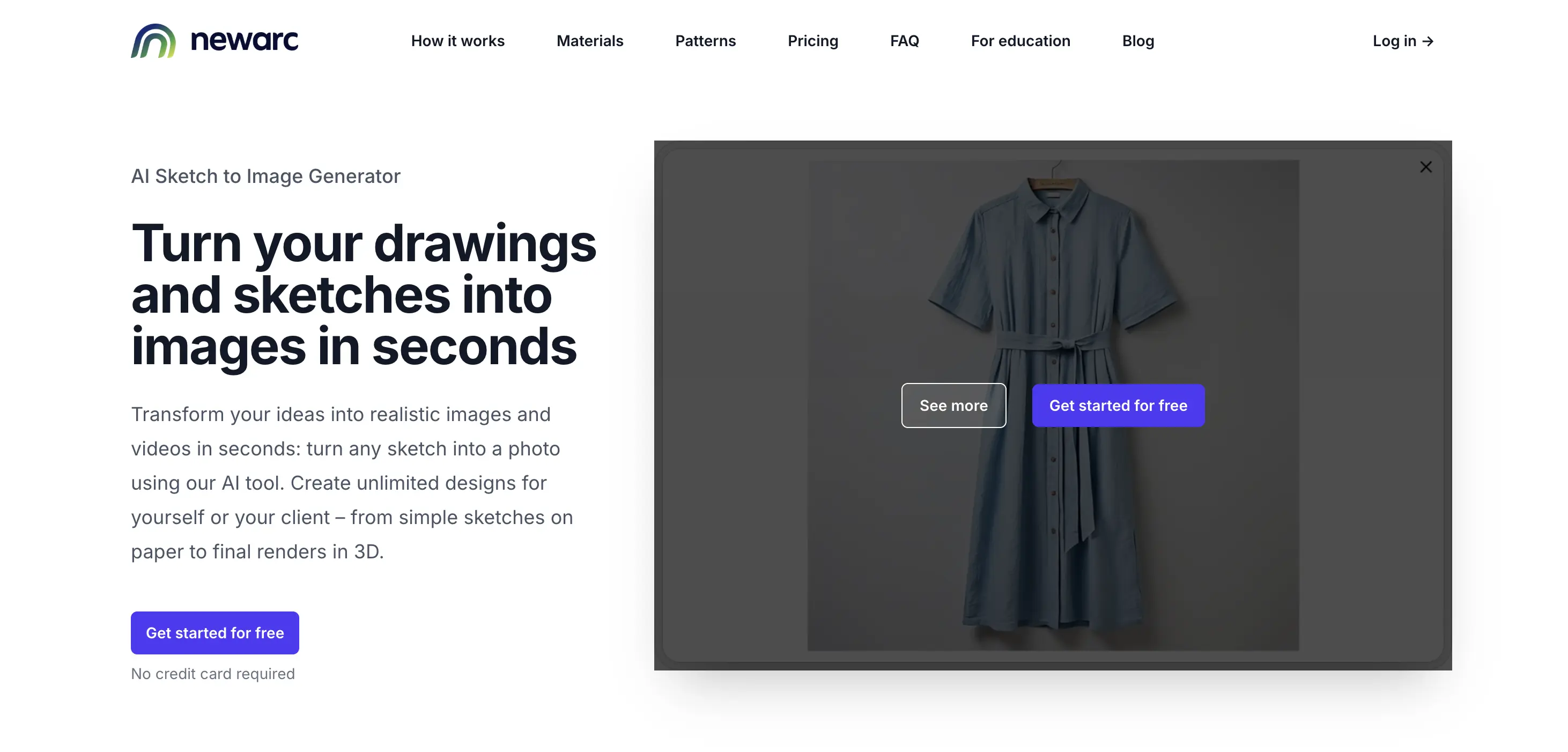
NewArc AI helps transform sketches, references, and concepts into realistic fashion images. It also supports virtual try-on, product visualization, and image-to-video creation.
Key Features
Sketch-to-image
AI fashion design
Virtual try-on
Product-to-model generation
Image-to-video
Why It Stands Out
NewArc connects fashion design and visual presentation, helping designers move quickly from an early concept to a realistic, shareable result.
Pros
Fast concept exploration
Turns sketches into realistic visuals
Useful for design and marketing
Limitation
AI visuals still need human refinement
Best for: Fashion designers, students, creators, and startups
5. Style3D AI: Best for AI-Powered Fashion Design
Best for: Fashion teams combining design, 3D, and AI visualization
Style3D AI combines generative AI with fashion design tools. Users can create concepts from text, sketches, or reference images and develop them into garment visuals, model images, and product content.
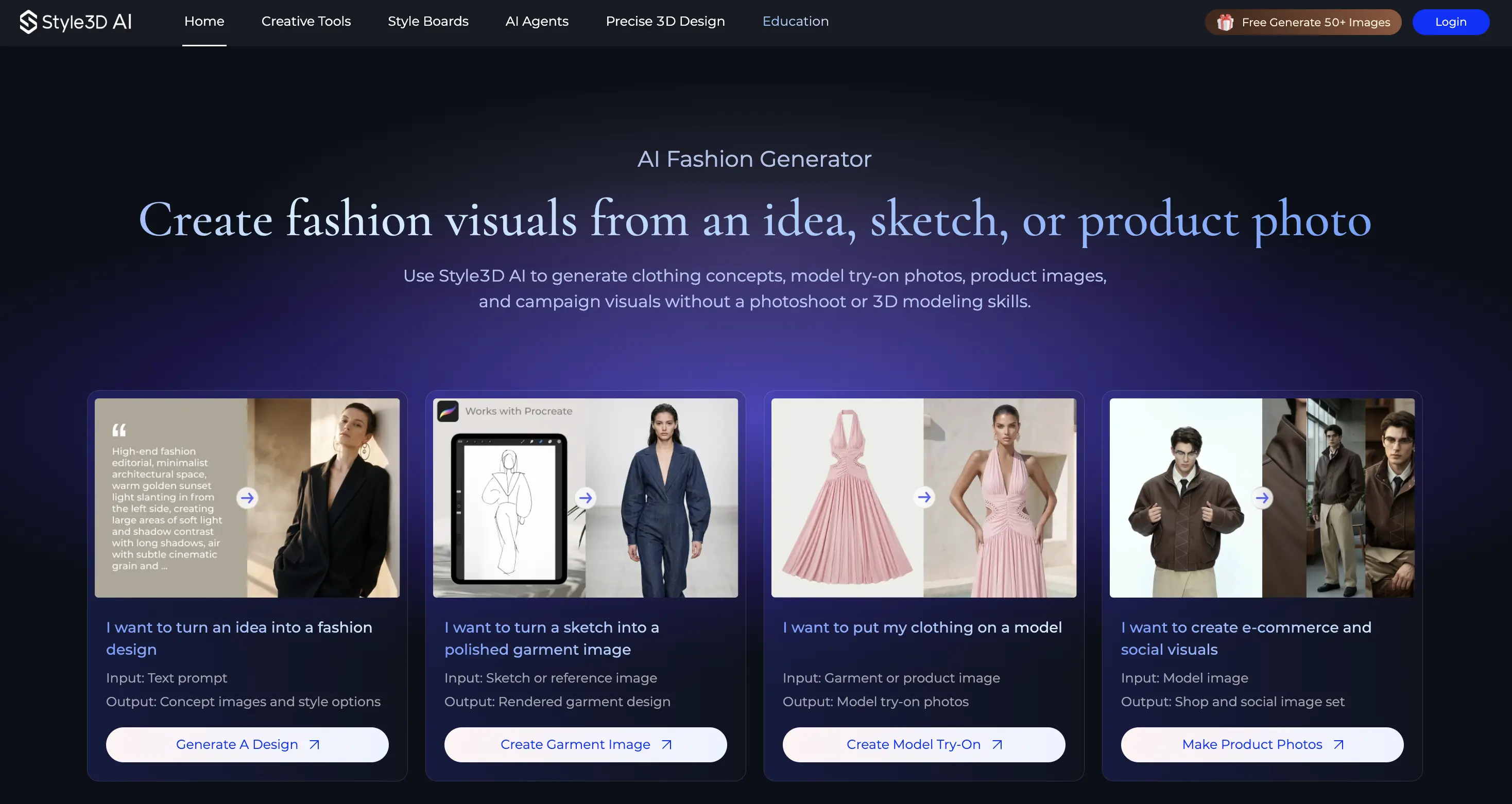
Key Features
Text-to-fashion design
Sketch-to-design
AI garment generation
Virtual try-on
AI fashion models
3D fashion workflows
Why It Stands Out
Style3D AI covers multiple stages of the fashion workflow from concept creation to visualization within one ecosystem.
Pros
Broad fashion workflow
Combines AI and 3D
Useful for design and e-commerce
Limitation
Advanced features may take time to learn
Best for: Fashion designers, brands, and e-commerce teams
6. CLO 3D: Best for Professional 3D Garment Design
Best for: Professional designers and apparel development teams
CLO 3D focuses on digital garment creation and 3D simulation. Designers can develop patterns, simulate fabrics, visualize garments, and check fit before creating physical samples.
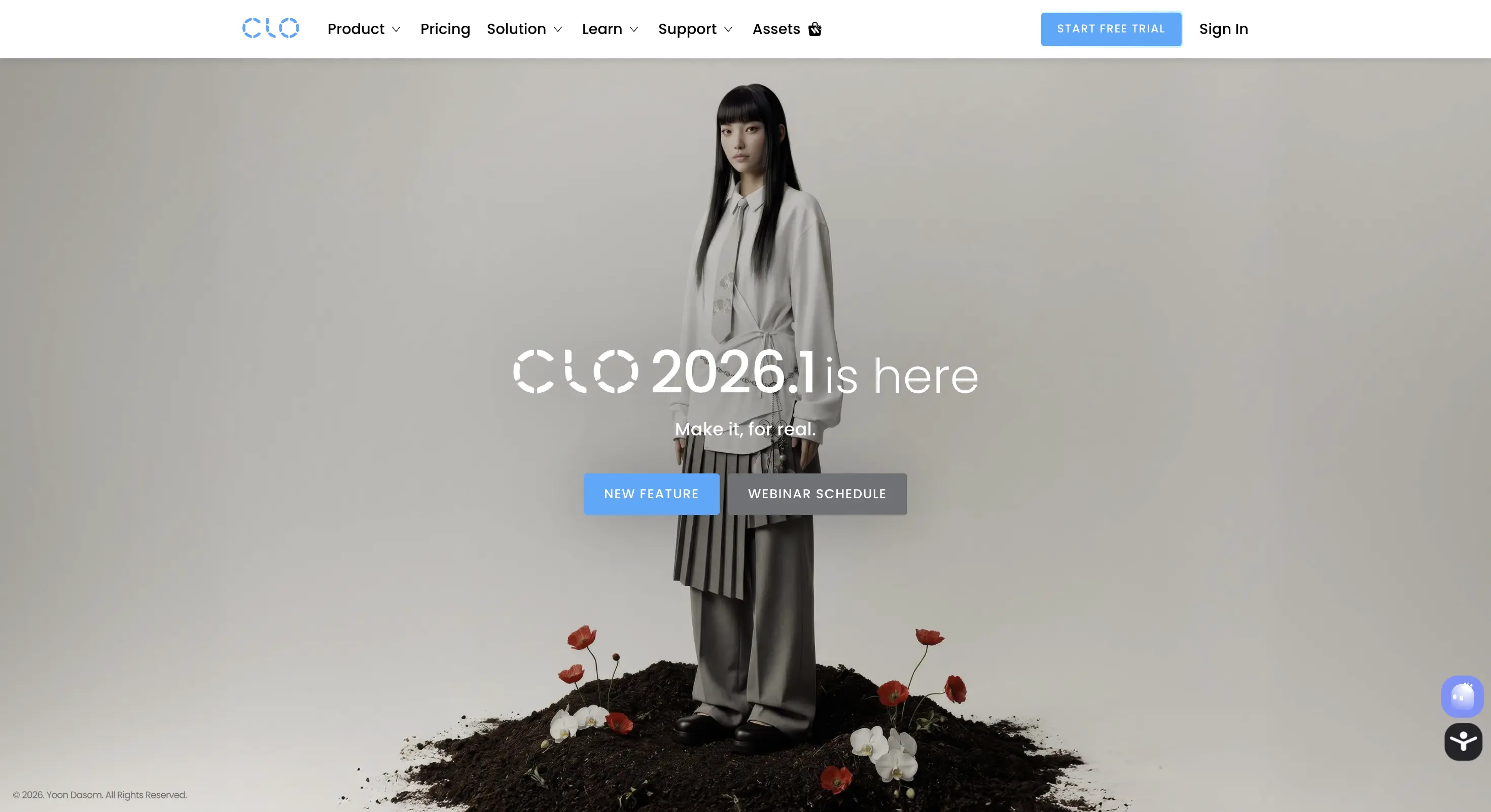
Key Features
3D garment simulation
Digital pattern development
Fabric simulation
Fit and measurement tools
3D avatars
Why It Stands Out
CLO 3D is built for professional garment development, where accurate visualization and simulation matter more than simple AI image generation.
Pros
Detailed 3D simulation
Strong product-development workflow
Helps reduce physical sampling
Limitation
Steeper learning curve
Best for: Fashion designers, apparel developers, and manufacturers
7. Photoroom: Best for AI Fashion Product Photography
Best for: E-commerce brands creating product images at scale
Photoroom uses AI to turn basic product photos into polished e-commerce visuals. It supports backgrounds, product staging, AI models, editing, and batch processing.
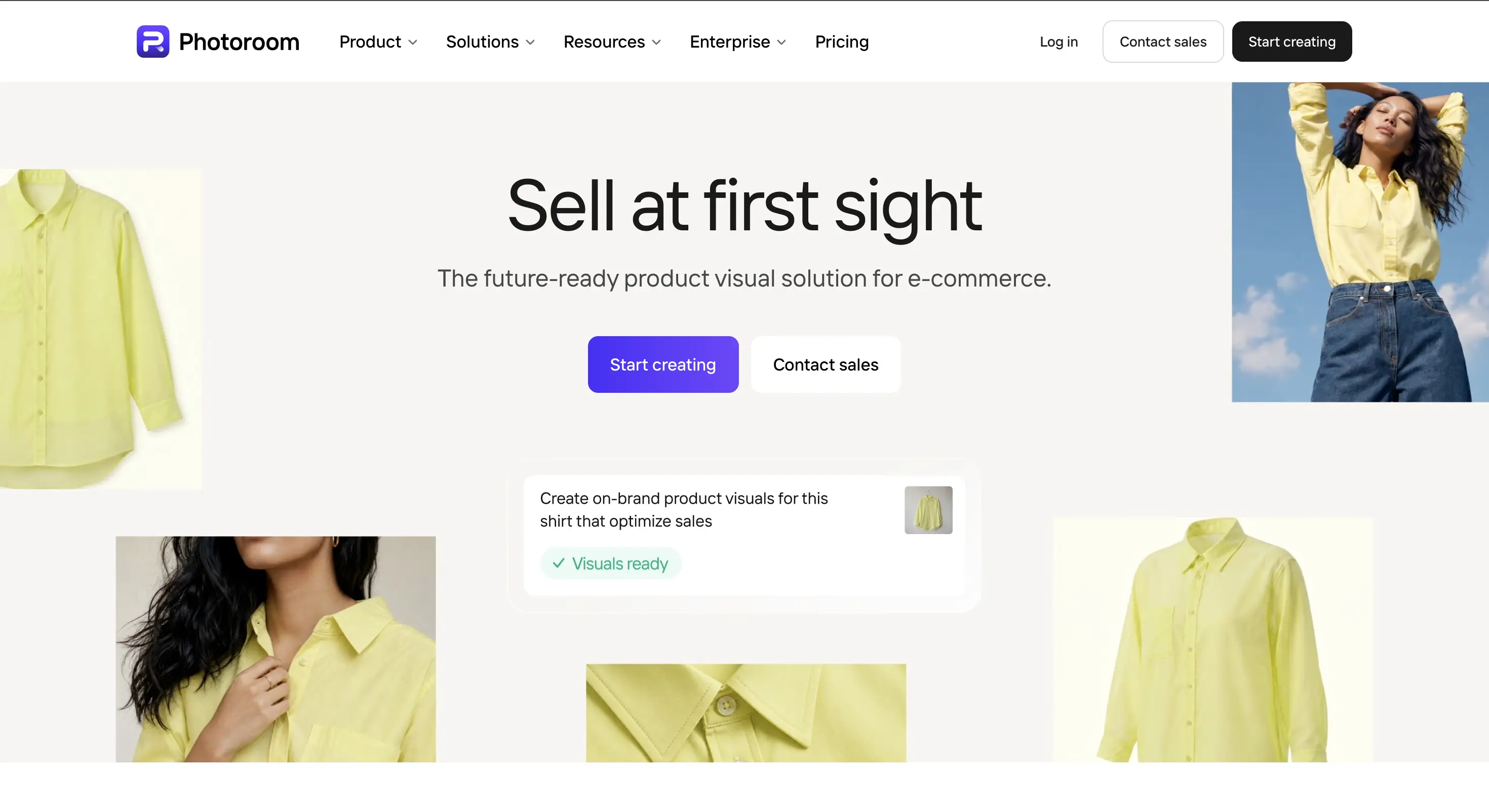
Key Features
AI product photography
AI fashion models
Background generation
Product staging
Batch editing
Why It Stands Out
Photoroom focuses on making products ready to sell. It simplifies repetitive image-editing tasks and helps brands produce catalog content faster.
Pros
Easy to use
Fast e-commerce workflow
Supports large product catalogs
Limitation
Not designed for fashion design or garment development
Best for: E-commerce sellers, fashion brands, and product teams
8. The New Black: Best for AI Fashion Design
Best for: Designers and brands exploring new fashion concepts
The New Black combines AI fashion design, model generation, virtual try-on, and creative visual tools in one platform.
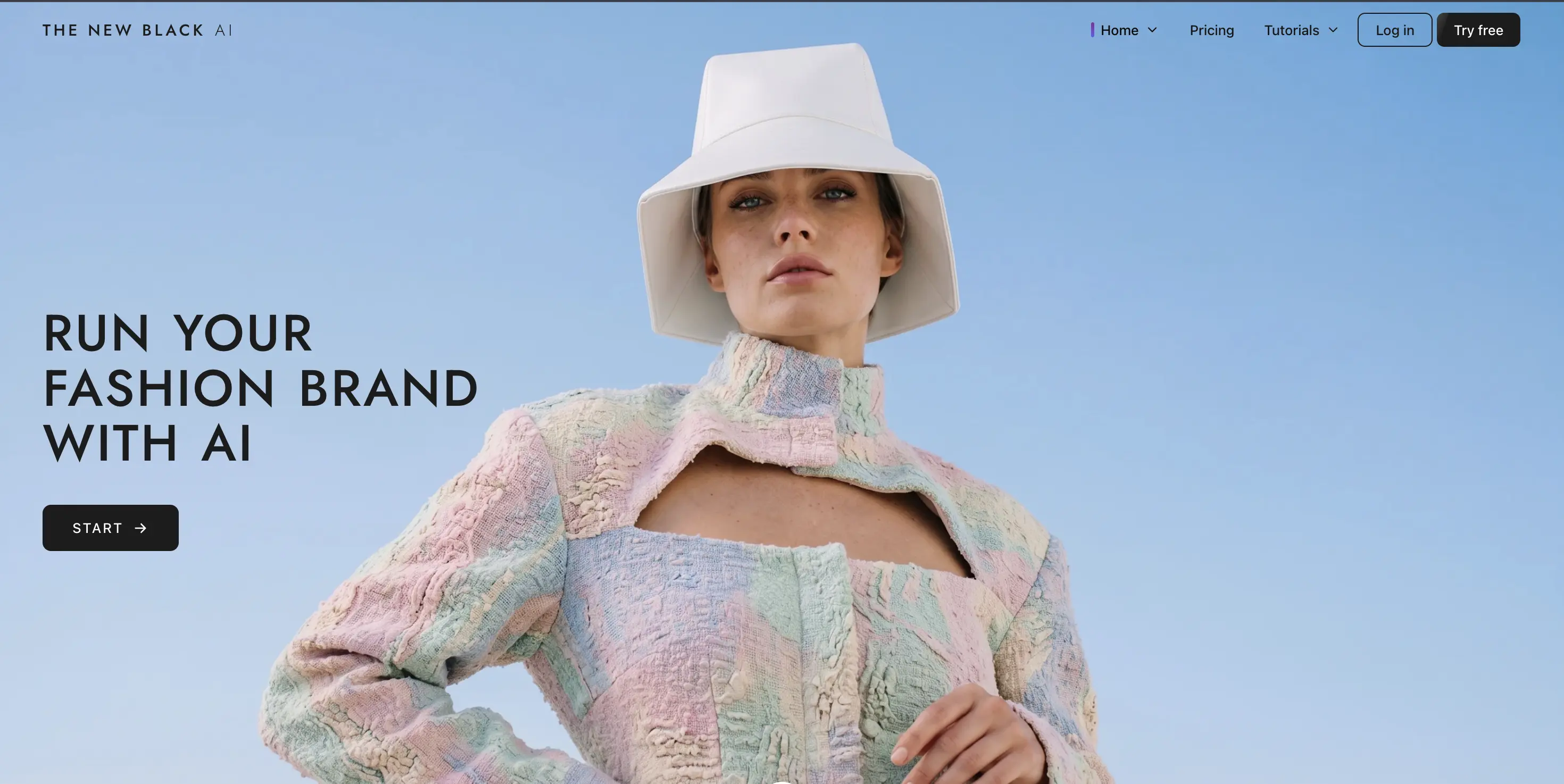
Key Features
AI fashion design
Sketch-to-design
Product-to-model
Virtual try-on
AI fashion models
Image-to-video
Why It Stands Out
It helps creators move quickly from a fashion idea to a finished visual, making it useful for concept development and marketing.
Pros
Wide range of fashion AI tools
Fast concept exploration
Supports images and video
Limitation
Creative output may need human refinement
Best for: Designers, independent brands, and creative teams
9. Syte: Best for AI Fashion Discovery
Best for: Fashion retailers improving visual search and product discovery
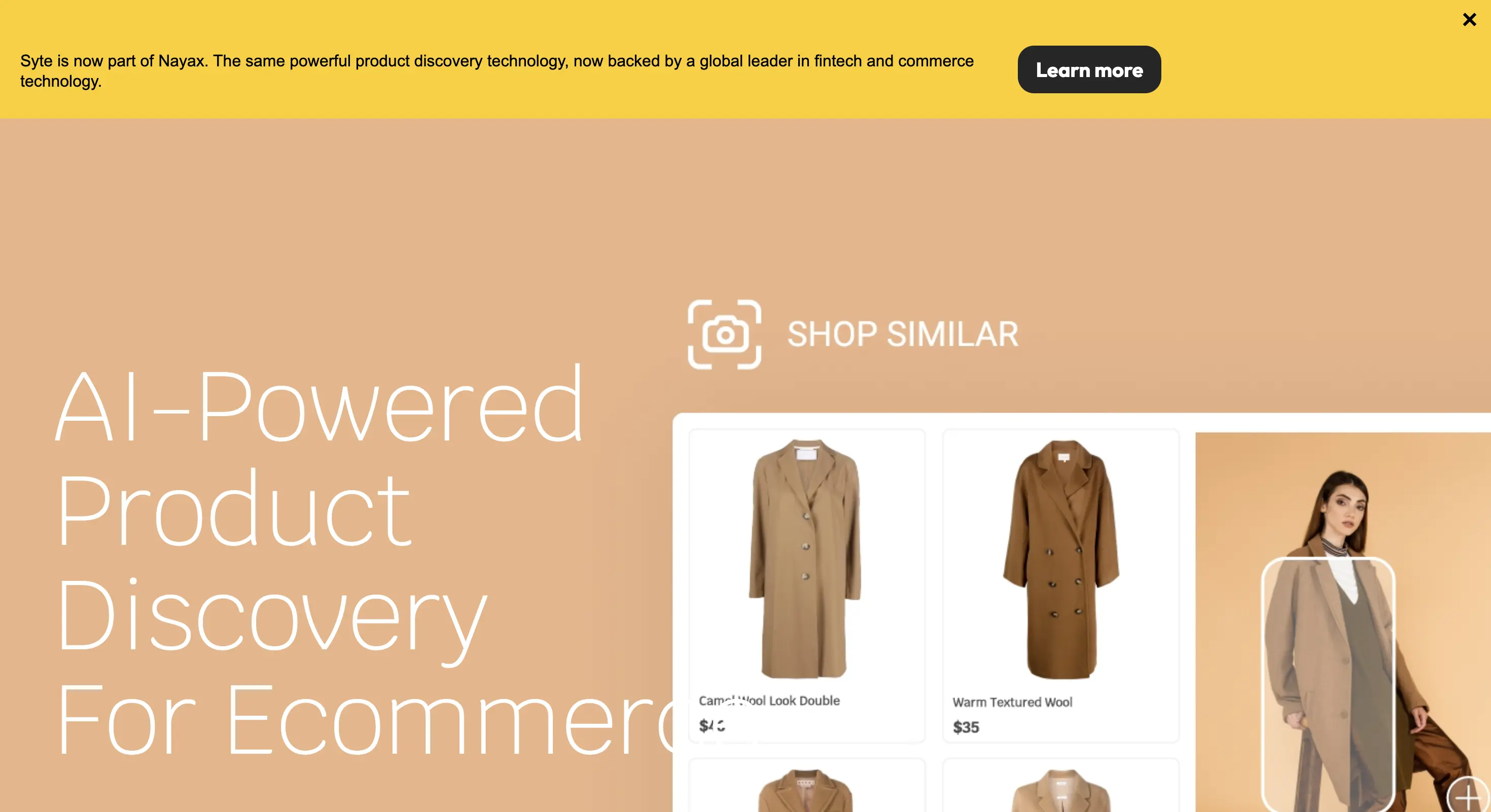
Syte uses visual AI to help shoppers discover products through images rather than relying only on text search. It also supports product recognition, tagging, and recommendations.
Key Features
Visual search
Product discovery
AI recommendations
Product recognition
AI product tagging
Why It Stands Out
Syte focuses on a key e-commerce challenge: helping shoppers find the right products faster using visual inspiration.
Pros
Strong visual search
Retail-focused
Improves product discovery
Limitation
Primarily designed for businesses
Best for: Fashion retailers, e-commerce platforms, and large catalogs
10. LUMI: Best for AI Personal Styling
Best for: Shoppers looking for personalized outfit recommendations
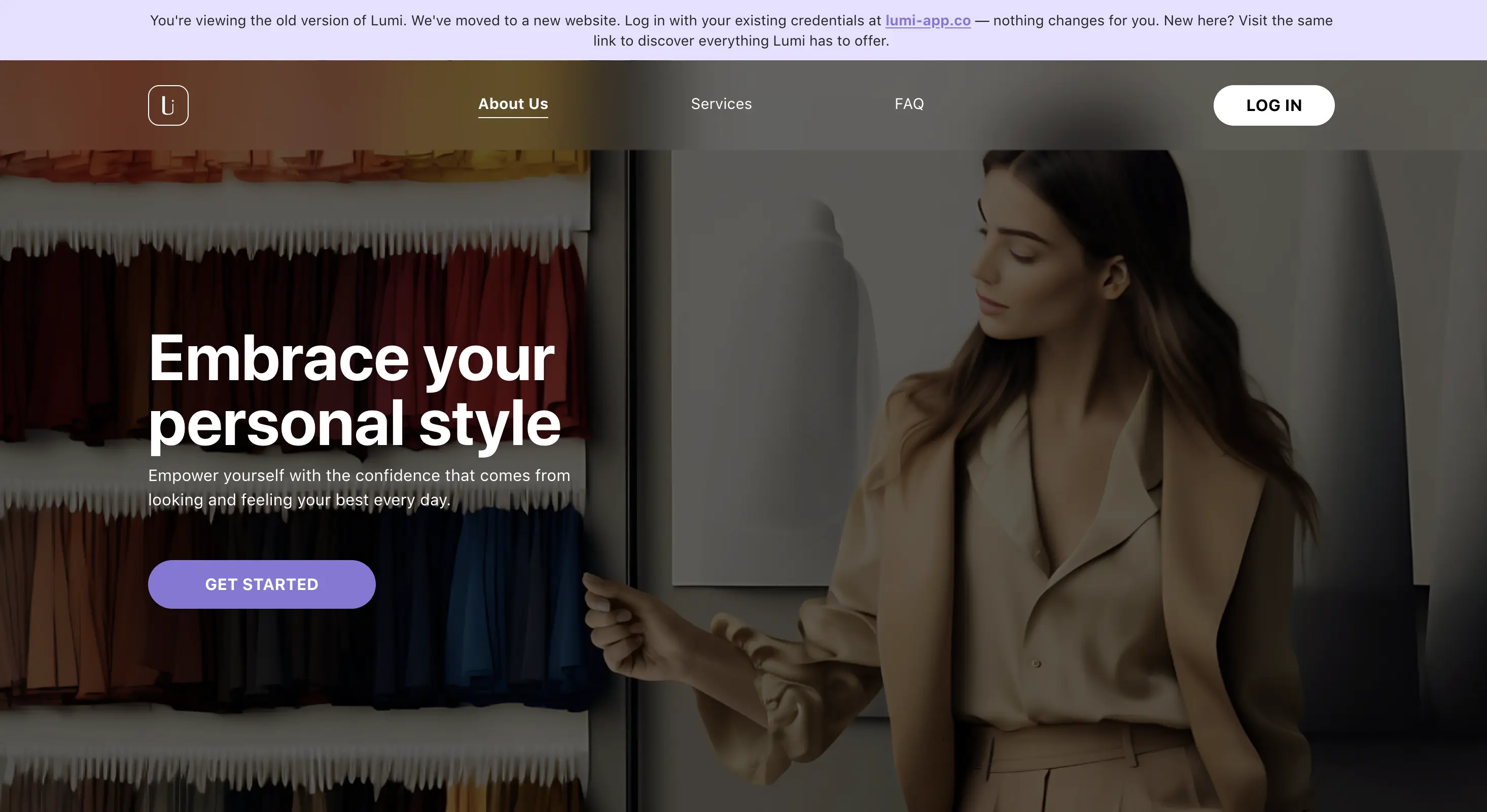
LUMI focuses on the personal styling side of fashion AI, helping users discover outfit ideas, mix and match clothing pieces, and explore different styles.
Key Features
AI outfit recommendations
Personalized styling
Outfit inspiration
Style discovery
Why It Stands Out
Rather than simply generating fashion images, LUMI helps users answer a practical question: “What should I wear?”
Pros
Personalized styling
Easy outfit inspiration
Helps discover new combinations
Limitation
Recommendations depend on the information available about the user
Best for: Everyday shoppers and fashion enthusiasts
Which AI Fashion Tool Do You Actually Need?
Still unsure which tool you need?
Want to see clothes on yourself: Mirrago
Need style advice: LUMI
Hate returns: Mirrago
Running a fashion brand: WearView / PhotoRoom
Designing a collection: NewArc / CLO 3D
The best tool depends on your needs, but for most shoppers, all-in-one apps win.
How to Choose the Right Tool
Want try-on + shopping? - Mirrago
Want styling help? - LUMI
Need product images? - PhotoRoom
Designing clothes? - NewArc or CLO 3D
Note: Choosing the right tool saves time, money, and effort.
The Future of AI Fashion: What Is Coming Next?
If you think AI fashion is impressive now, just wait until you see what’s on the horizon in the next few years – it’s like science fiction!
Here is where the smartest researchers, brands, and startups are pointing:
1. Real-Time AI Avatars That Move Like You
Today, you can use a virtual try-on tool and see a still image of yourself wearing the outfit. Tomorrow, you can see yourself wearing the outfit while you walk, pose, and dance – so you can see how the dress moves with you when you walk around the house, rather than just standing still.
2. Hyper-Personalised AI Wardrobes
Your AI fashion friend will not only know your matching — it will know your lifestyle, your social calendar, your colours of preference, your moods and patterns of moods, and what you currently own in your closet. It will create a wardrobe that is uniquely yours – what to buy, what to get rid of, and what to wear with what in the morning.
3. Voice-Based AI Stylists
Imagine saying, "Find me a casual outfit for a Sunday brunch in warm weather under $100," and your AI stylist pulls up five options - already virtually tried on your body — in under three seconds.
4. AI-Powered Sustainable Fashion
AI will help brands design only what will sell. By predicting trends, personalising production, and eliminating physical sample waste, AI will be central to making fashion a genuinely sustainable industry.
5. The Convergence: Try-On + Style + Shop in One Breath
This is where tools like Mirrago are headed — and where the industry is going. The gap between "I wonder what this looks like on me" and "I just bought it" will disappear entirely. One app, one moment, complete confidence.
Conclusion:
For too long, online fashion shopping has been a gamble.
You bet on a style. You guess a colour. You hope the fabric feels right. And when it does not, you deal with the returns, the waiting, and the disappointment.
That era is ending:
The 10 AI fashion tools in this guide represent a genuine shift in what is possible. Some are built for designers creating the next collection. Some are built for brands scaling their imagery. And some- like Mirrago - are built for you, the everyday shopper who deserves to walk into every online purchase with complete confidence.
Ready to Try AI Fashion?
Try virtual outfits, discover your style, and shop smarter — all in one place. Visit Mirrago for further information. If you are a business owner, you may love to see our business page and feature page.